
A showcase of an initiative to improve the livelihoods of farmers
Project Date
10th June 2025
Goal
Train Farmers
Farmers Trained
1000+
In a bold and transformative move to revolutionize sorghum farming in rural communities, the Agronomy Department of Oyster Agribusiness has launched an ambitious agricultural development program known as Project 50 (P50). The initiative is designed to empower independent smallholder farmers by equipping them with the skills, knowledge, and resources needed to cultivate a minimum of 10 acres of sorghum, with a production goal of at least 200 bags of 50kg per farmer.
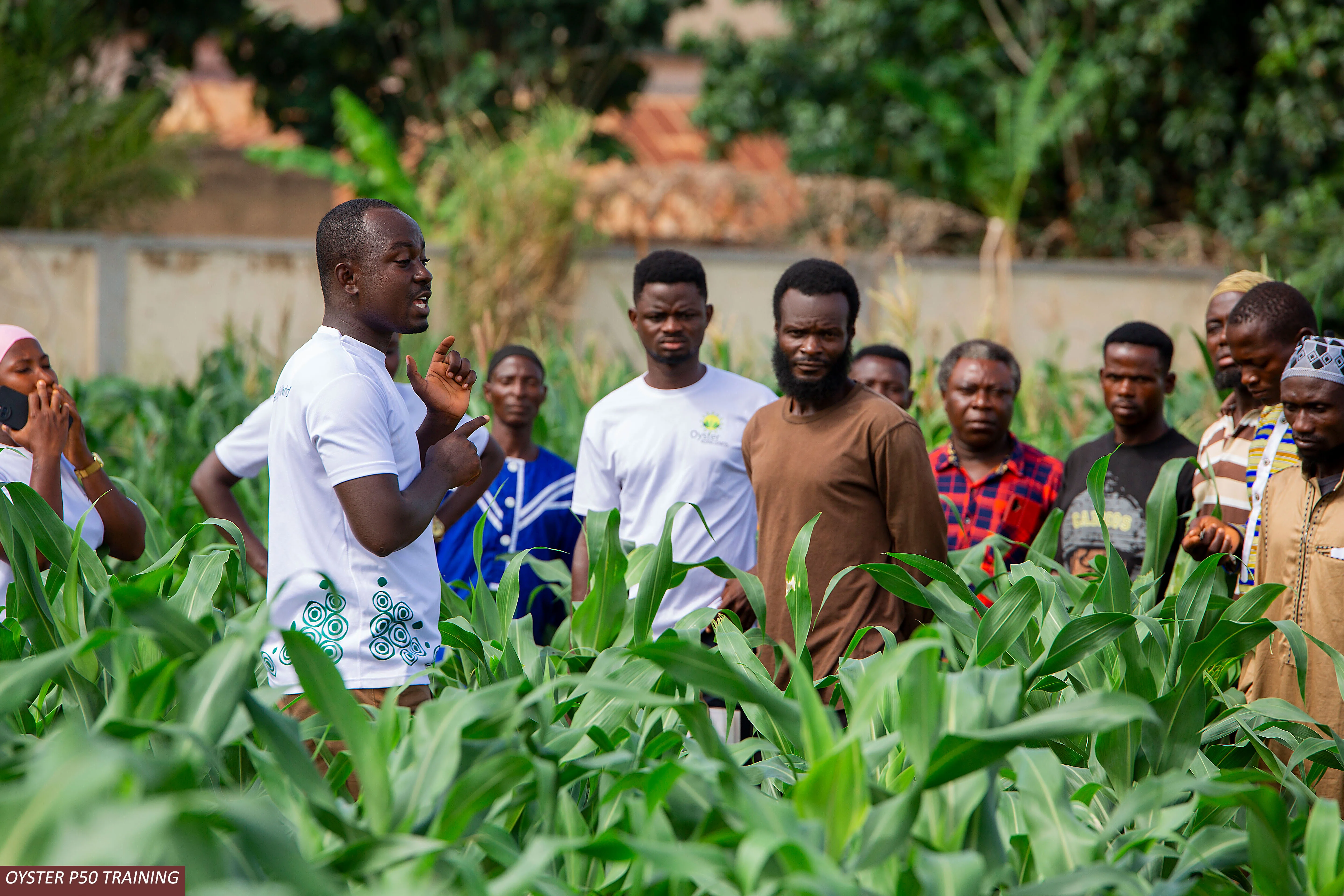
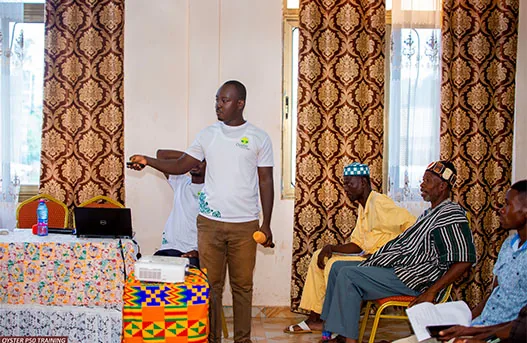
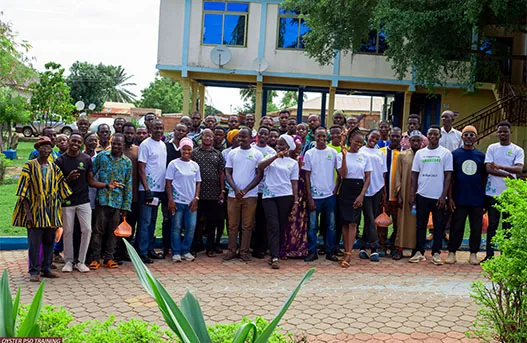
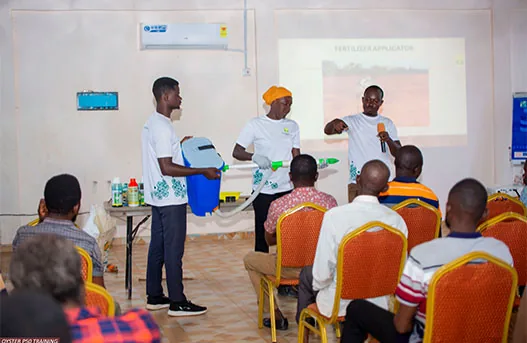
Smallholder farmers often face a multitude of challenges that hinder productivity and profitability. These include limited access to modern farming techniques, poor soil management, inadequate input supply, and fluctuating market prices. Project 50 is a strategic intervention aimed at addressing these systemic issues by offering a structured training and support system that promotes best agronomic practices.The program begins by identifying and enrolling eligible farmers who are willing and able to commit to cultivating at least 10 acres of sorghum. Through a combination of field demonstrations, one-on-one extension support, and group training sessions, farmers are educated on land preparation, improved seed selection, fertilization, pest control, and harvesting techniques.
The core target of the initiative is to ensure that each participating farmer produces at least 200 bags (each 50kg) of sorghum per season. This output not only reflects improved agricultural efficiency but also translates directly into increased income for the farmers. For many, this could mean a shift from subsistence farming to commercial-scale production, opening up new opportunities for economic growth and stability.
While the numerical targets of land size and output are central to the program, Project 50 is ultimately about livelihood transformation. By increasing yields and ensuring access to markets through Oyster Agribusiness’s structured value chain, the project helps farmers achieve sustainable incomes. This financial empowerment enables better access to education, healthcare, and improved living standards for farming families. Additionally, the program fosters a sense of community and collaboration among farmers. By working in clusters and receiving uniform training, participants benefit from shared experiences, peer learning, and collective bargaining power when sourcing inputs or negotiating sales.
Project 50 is not just a short-term intervention—it is a replicable and scalable model with the potential to impact thousands of farmers across the country and beyond. With continued investment, policy support, and stakeholder collaboration, the initiative could play a pivotal role in national food security and rural economic development.

 Home
Home